 Custom Moduling
Interactive & Dynamic Scale Models
A static model shows a layout. A dynamic model demonstrates it — with working lighting, moving mechanisms, real water and digital sand table integration, engineered and integrated as one system in our own factory.
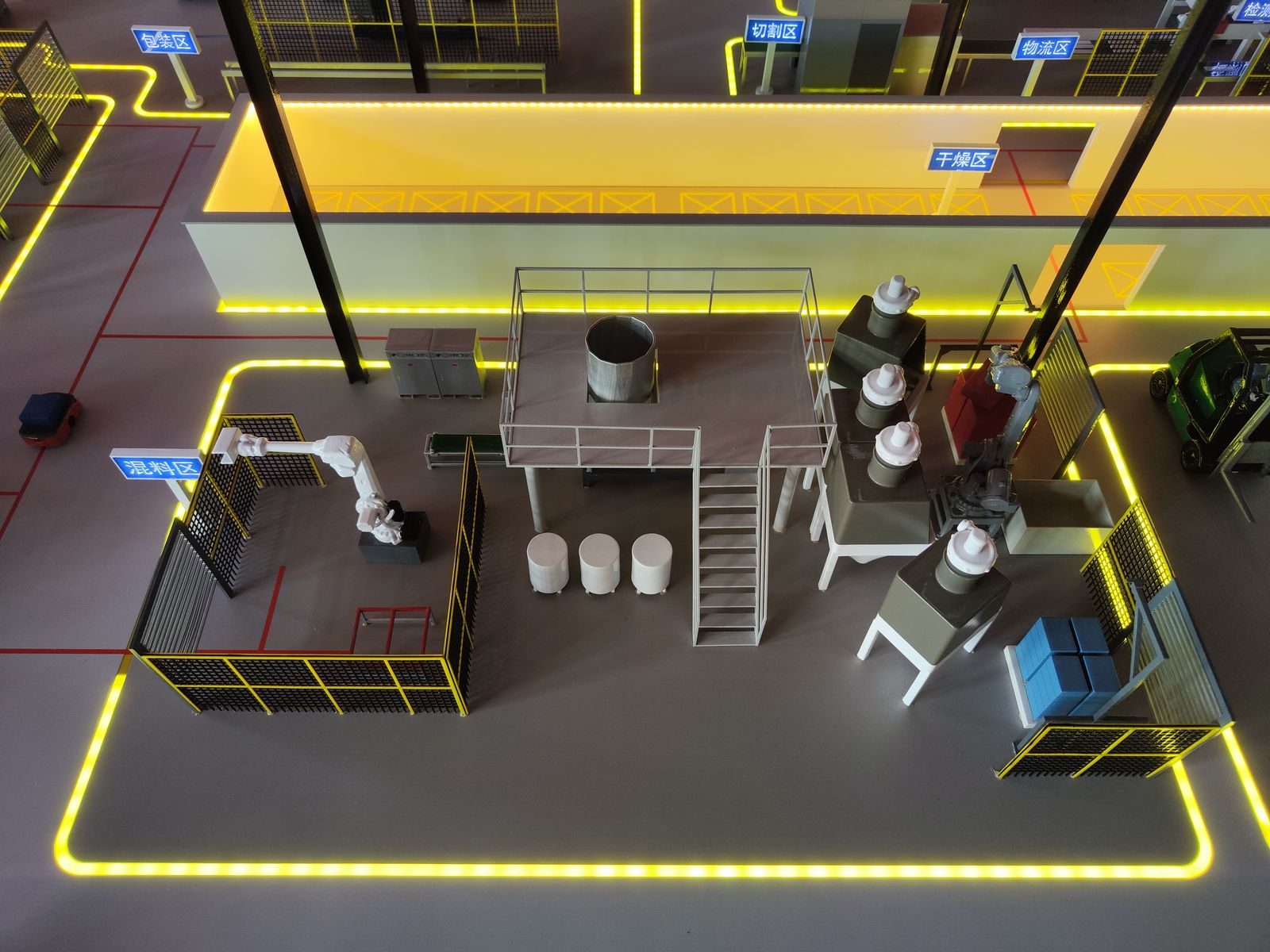
What makes a model dynamic
A static model shows a layout. A dynamic model demonstrates it. We build lighting systems, moving mechanisms, circulating water features and screen-integrated digital sand tables into industrial and exhibit models — engineered in our own factory, from the circuit layout to the final switch. Tell us what your model needs to show, and we will confirm what can be engineered and how.
What "dynamic" means here
Dynamic lighting
Zoned, programmable lighting for buildings, roads, equipment status and exhibit focus points.
Real water systems
Circulating features with sealed construction designed for long-term display.
Motion & lifting
Moving elements and lifting structures for mechanical and process demonstrations.
Digital sand tables
Physical terrain models integrated with screens and interactive briefings.
How dynamic features are engineered
Every dynamic build starts with the demonstration goal, not the gadget. We define what the model must show, then design the systems, wiring and control layout around it — so lighting, motion and water remain serviceable after installation.
Silent loop, filmed in our own factory: routed LED strips and an integrated screen being adjusted on a sand table before hand-over.
Dynamic Features and Project Requirements
Available features depend on the model size, intended use, installation environment and control requirements. We review these details during project scoping before confirming the final specification.
| Feature | What we review before confirming |
|---|---|
| Lighting and control | Lighting zones, control method and operating sequence. |
| Water circulation | Water path, sealing, access for maintenance and installation conditions. |
| Motion mechanisms | Movement range, operating frequency, access and safety requirements. |
| Digital integration | Screen content, interaction method, control interface and venue setup. |
What we need from you
- The demonstration goal (what the model must explain or prove)
- Site plan or equipment layout drawings
- Installation environment and audience
- Any required interactions or sequences
Frequently asked questions
Have drawings? Let's see what they can become.
Share your drawings, target size and intended use. We will review the project and outline the next steps.
Get a Free Quote